
Search North Carolina Felony Records
North Carolina felony records are public court documents filed in Superior Court across all 100 counties. These records hold charges, case facts, and sentencing details for serious criminal offenses in the state. The Clerk of Superior Court in each county keeps felony case files on site. North Carolina also has online tools for searching felony records through the eCourts portal and the NC State Bureau of Investigation. You can look up felony records by name or case number from any county. This guide covers where to find North Carolina felony records, how to search them, and what these records contain.
North Carolina Felony Records Quick Facts
Where to Find North Carolina Felony Records
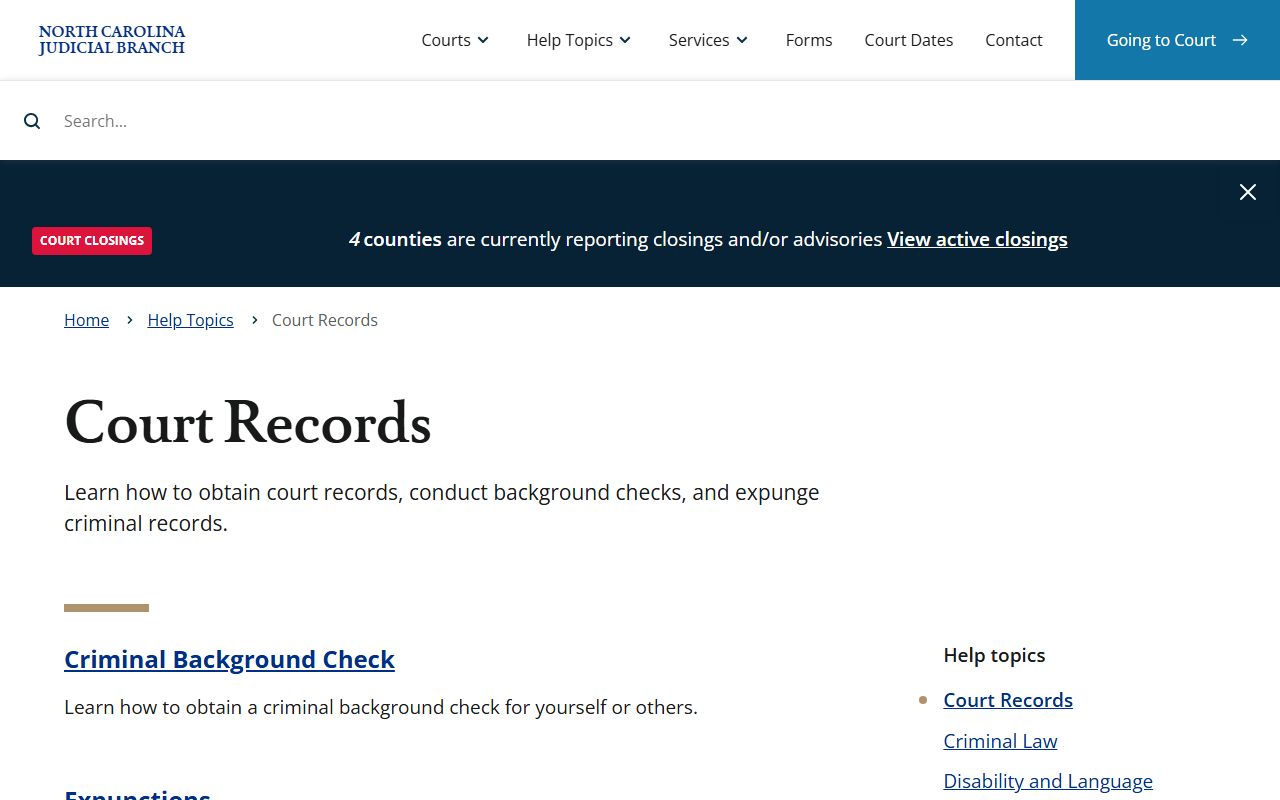
North Carolina felony records are held at two main levels. The Clerk of Superior Court in each county stores case files for felonies heard in that courthouse. These files date back years. You can visit the clerk's office to view records in person at no cost. Each courthouse has public access terminals loaded with the ACIS system for free lookups. The North Carolina Judicial Branch runs the main court records portal online. This site lets you search felony records, check court dates, and pull contact details for all 100 county clerks. North Carolina felony records from every part of the state are covered through this portal.
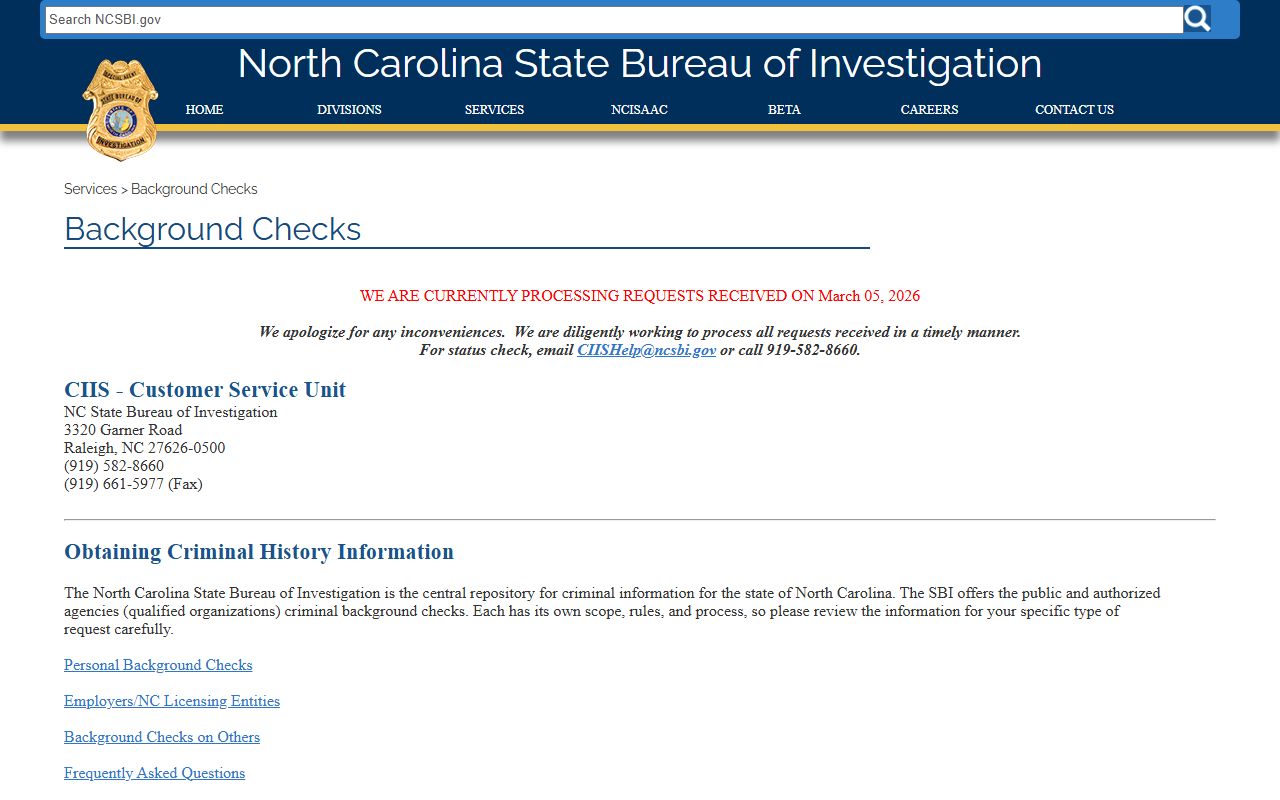
The North Carolina State Bureau of Investigation is the central repository for criminal records in the state. The SBI has been active since 1937. Their office sits at 3320 Garner Road in Raleigh, NC 27626. You can reach the CIIS Customer Service Unit at (919) 582-8660. The SBI runs statewide criminal record checks that span all counties at once. A single county felony search only returns charges from that one courthouse. The SBI search pulls felony records from across North Carolina. You need to submit fingerprints for the statewide check. The fee is $14.
For county jail records, reach out to the local sheriff. The NC Department of Adult Correction handles state prison records only.
Note: A county court search only covers that one county in North Carolina. Use the SBI for a statewide felony record check.
Search NC Felony Records Online
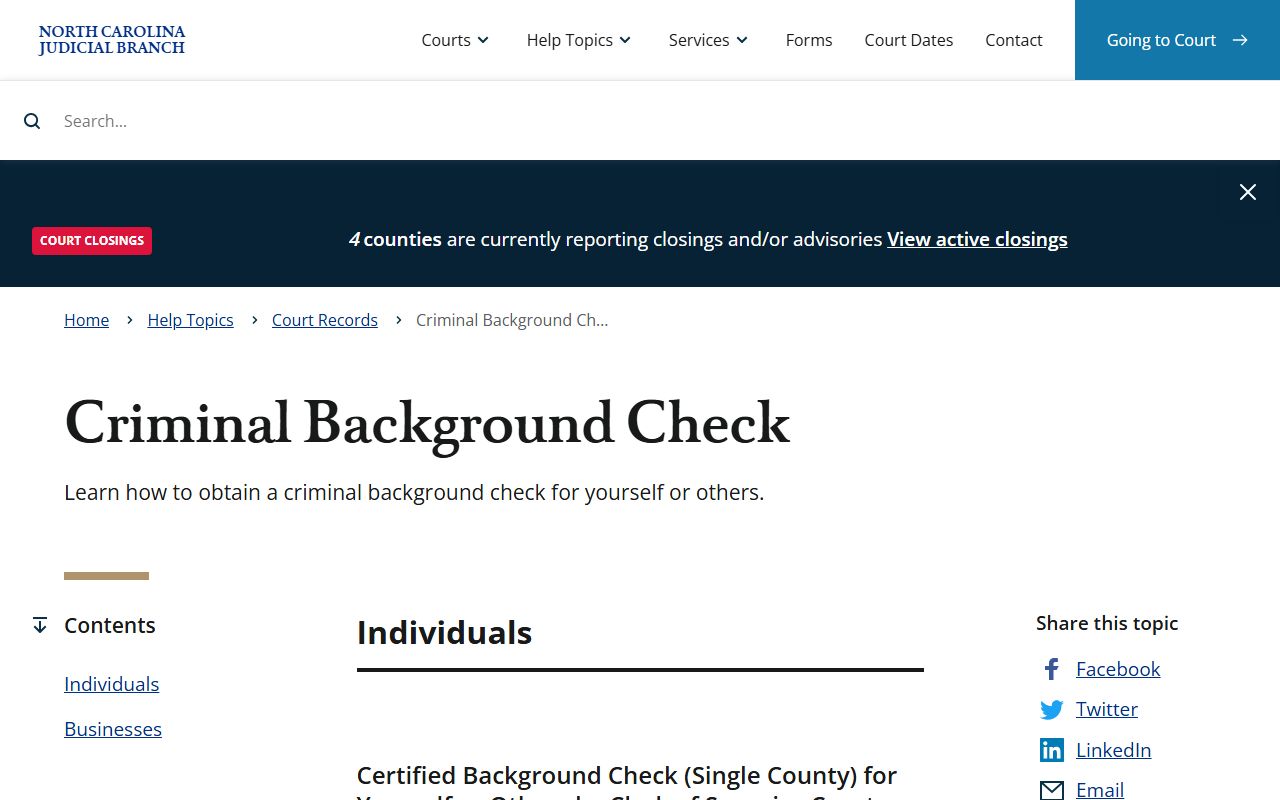
The NC eCourts portal gives free online access to court records across all 100 North Carolina counties. You can search by party name, case number, citation number, or attorney bar number. The system shows case details, hearing dates, and charges filed. All counties moved to eCourts by October 2025. That means felony records from every part of the state now sit in one system. This is the best tool for looking up North Carolina felony records from home. You do not need an account for basic searches. The portal also lets you pay fines and fees by credit card online. For certified copies of felony records, contact the clerk of court in the county where the case was heard. Visit the NC Courts criminal background check page for full details on certified and non-certified searches in North Carolina.
A non-certified felony record search is free at any courthouse in North Carolina. You use the ACIS public access terminals. Staff can show you how. The ACIS system covers felony charges, misdemeanors, traffic offenses, and court outcomes. Search by name or case number. A certified check costs $25 per name. Fill out Form AOC-CR-314 and hand it to the clerk. In-person payment takes cash, credit cards, money orders, or certified checks. Mail orders need a money order or certified check only. Each certified search covers one county at a time.
Remote Public Access is also an option. This program gives ongoing access to felony records and civil data in all 100 North Carolina counties for a subscription fee.
North Carolina Felony Classifications
North Carolina groups felonies into ten classes. Class A is the most serious. Class I is the least. The class of a felony shapes the possible sentence and how long the record stays on file. All felony cases in North Carolina go through Superior Court. District Court handles misdemeanors and lower offenses. Felony records in North Carolina show the charge, the class, the court outcome, and any sentence. Under N.C.G.S. Chapter 14, each class carries a set range of penalties laid out by the state legislature. The Structured Sentencing Act uses a grid based on felony class and prior record level.
When you search for North Carolina felony records, the results will typically show:
- Full name of the defendant
- Felony charge and class level
- Date of arrest and court filing
- Court outcome and sentence
- County where the case was heard
Felony Records in NC Superior Court
All felony cases in North Carolina are handled in Superior Court. The NC Department of Public Safety oversees law enforcement and corrections across the state. Each county has a Superior Court where felony cases are tried before a judge. The clerk of court logs every step from arrest to final judgment. These records become part of the public file. Felony case files hold the arrest warrant, indictment, motions, trial records, and the judgment. The NC Department of Adult Correction keeps records on state prisoners and those on probation or parole. Their database goes back to 1972. It does not include county jail data. You can search their system by name or offender ID for North Carolina felony records tied to state corrections.
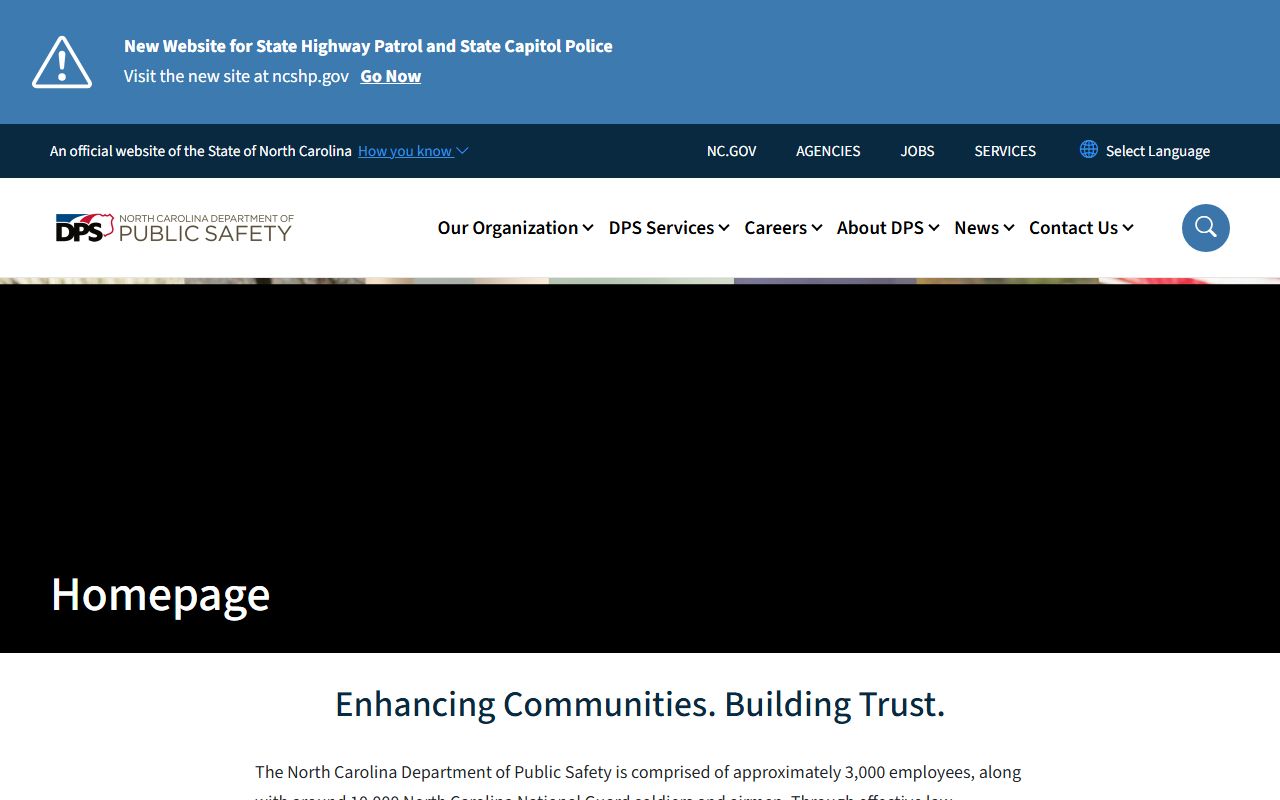
North Carolina has roughly 3,000 DPS staff members and about 10,000 National Guard soldiers and airmen who support public safety across the state.
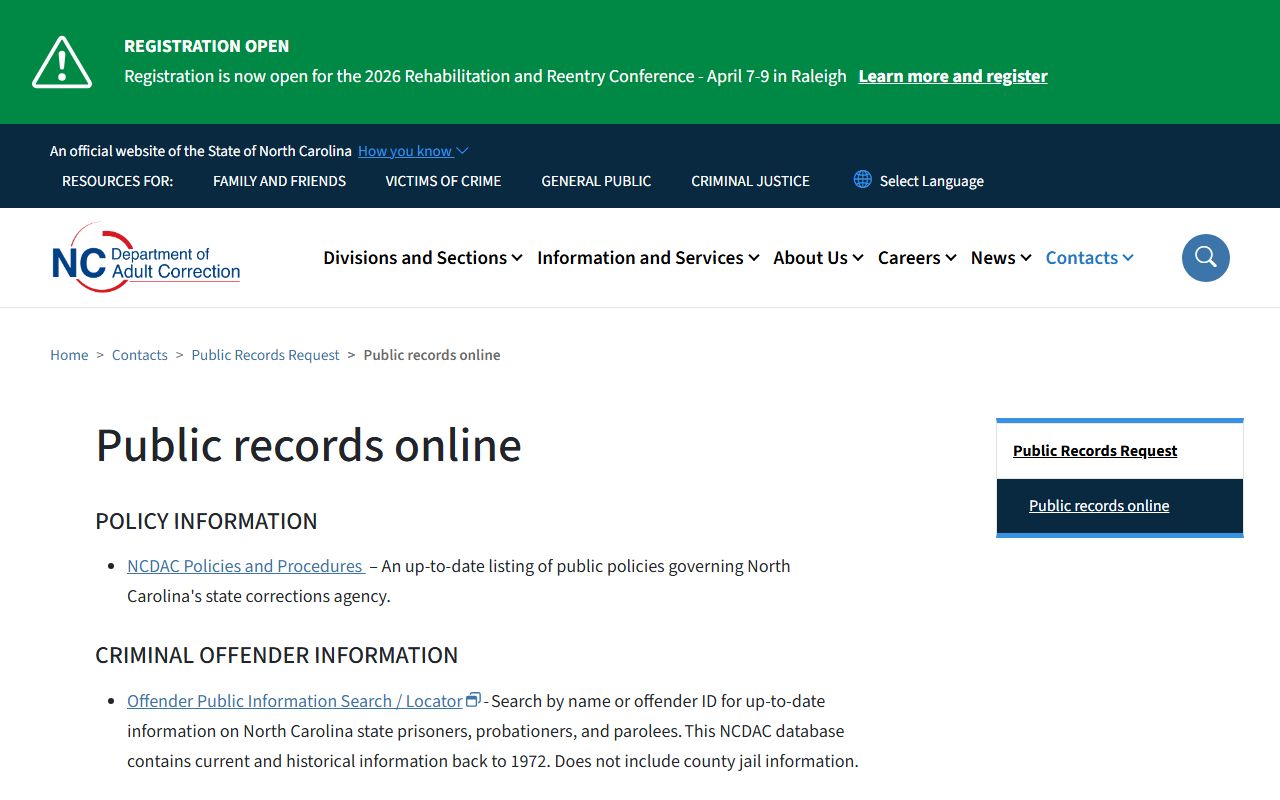
Note: The DAC offender search does not include county jail inmates. Contact the local sheriff for jail booking records in North Carolina.
Expunging North Carolina Felony Records
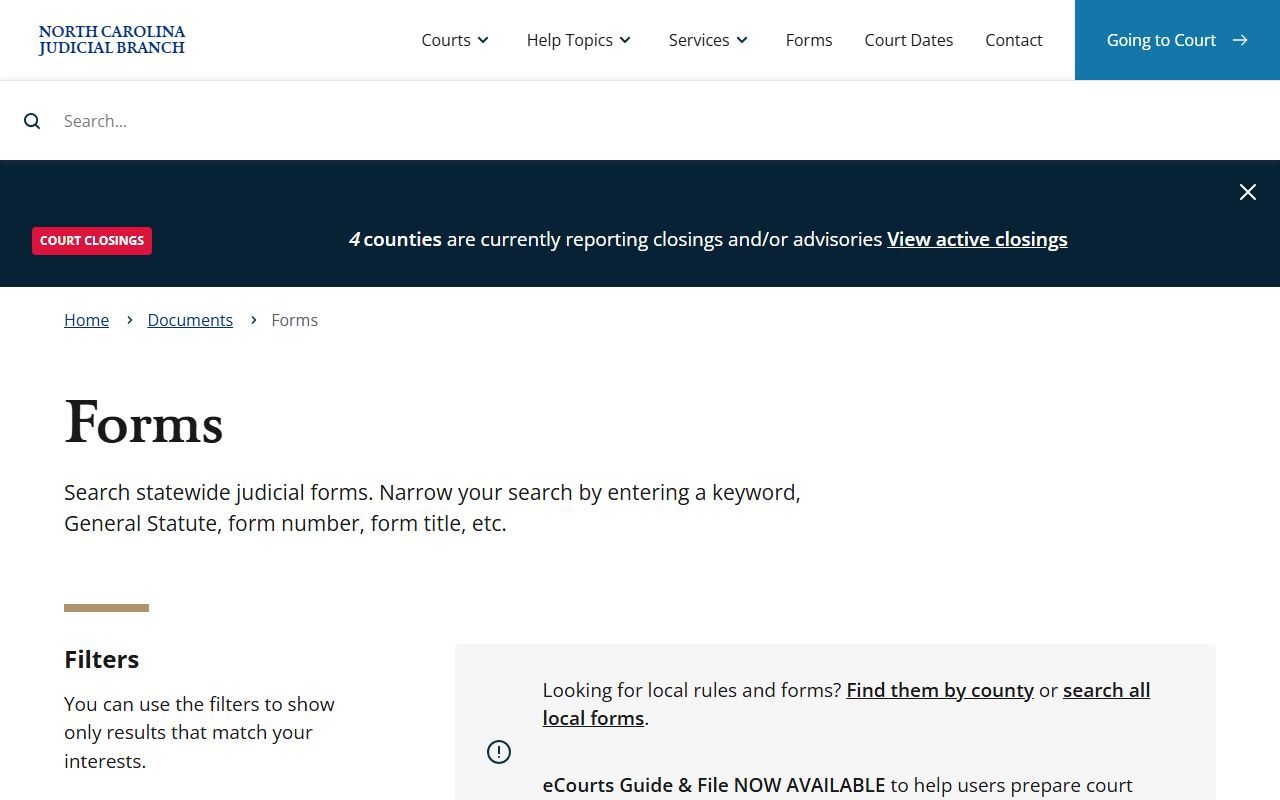
Some North Carolina felony records can be expunged. Expungement clears a charge from your criminal record. The NC SBI Expungements office processes petitions after a judge grants the order. Several statutes allow felony expungements in North Carolina. You start by filing a petition in the county where the arrest took place. Get the right form from the NC Courts forms page. The petition must list the correct statute, your signature, and have a judge sign off. All charges, docket numbers, and file numbers go on the form in detail. Using the wrong form can delay your case or cause a rejection. You do not have to hire a lawyer, but you may choose to do so. A petitioner can contact the clerk of court or a private attorney for guidance on filing procedures in North Carolina.
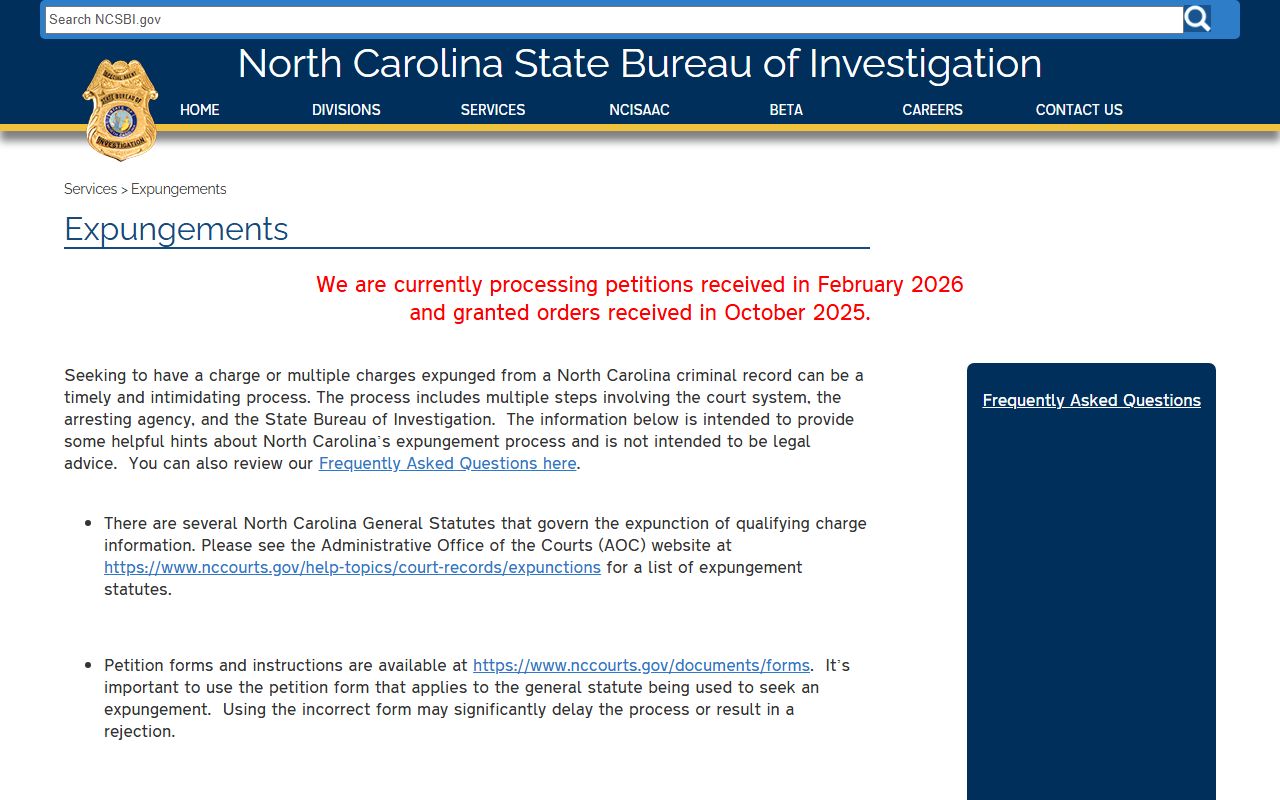
Before filing, get a copy of your criminal history from the SBI. This is the Right to Review process. Once a judge signs the order, the SBI removes the felony record from their system. As of early 2026, the SBI is processing petitions from February 2026 and orders from October 2025. Form AOC-CR-263 is used for most expunction petitions under the various North Carolina statutes.
NC Felony Records and Public Access
North Carolina felony records are public under state law. N.C.G.S. 132-1 defines public records and gives every citizen the right to inspect them. Court records fall under this law. N.C.G.S. 132-6(a) spells out the right to inspect. Some limits do apply. N.C.G.S. 132-1.4 says certain law enforcement investigation materials are not public. Body camera and dashboard footage requires a court order under N.C.G.S. 132-1.4A. Juvenile felony records are sealed under N.C.G.S. 7B-2901. Copy fees are capped at the actual cost to make the copy. You can view most North Carolina felony records for free at any courthouse on the public terminals.
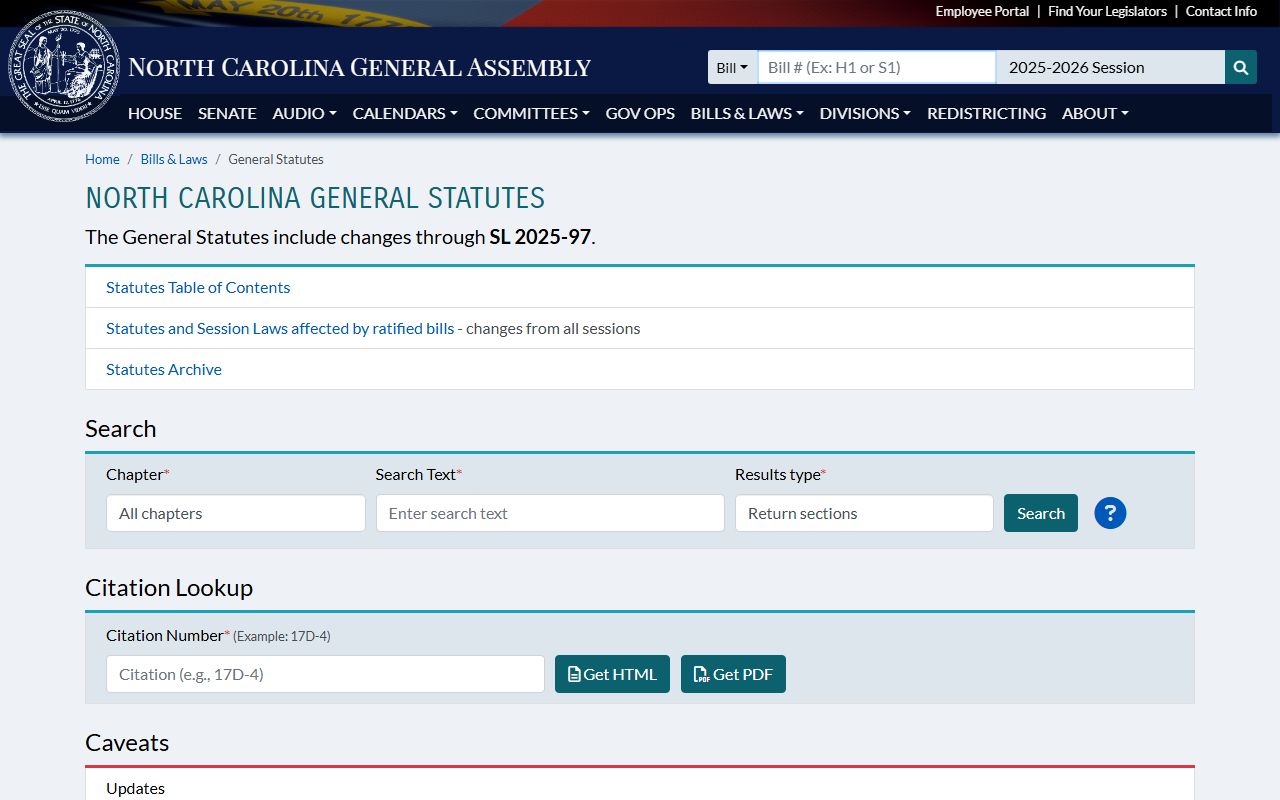
You do not have to state a reason for wanting felony records. The law says public records belong to the people of North Carolina.
NC Victim Services and Felony Cases
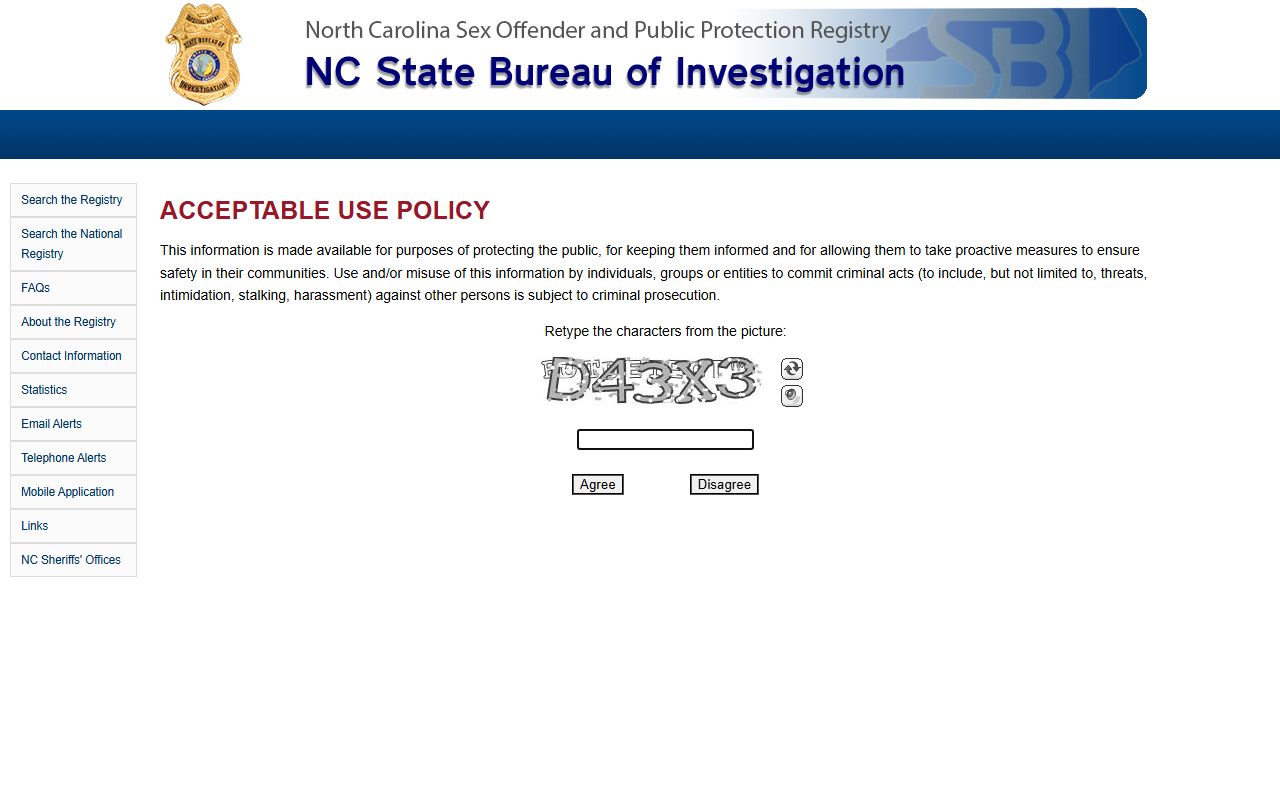
The North Carolina Sex Offender Registry is a public database run by the SBI. It shows where registered offenders live in the state. Local sheriffs send offender data to the SBI for the statewide list. In 2016, North Carolina had 17,175 offenders on the registry. You can search by name, zip code, or county. The registry is a key resource when checking felony records tied to sex offenses in North Carolina.
The VINE system lets victims track the custody status of offenders in North Carolina. VINE stands for Victim Information and Notification Everyday. The service is free and runs around the clock. You can get alerts by phone, email, or TTY device when an offender's status changes. VINE covers inmates in county jails and state prisons across North Carolina.

Note: Victims can sign up for VINE alerts at no charge for any felony case in North Carolina.
Historical Felony Records in North Carolina
The NC State Archives holds historical court records from counties across North Carolina. These include Criminal Action Papers from the 1700s. Records cover Superior Court minutes, civil cases, and criminal case papers. Some go back to 1761. The archives contain records from defunct counties like Bute County and Dobbs County. These records are helpful for legal research and genealogy. You can view them by appointment at the State Archives in Raleigh. Current felony records stay at the county clerk's office, while older North Carolina records move to the state archives for preservation.
Legal Help for NC Felony Cases
The NC Commission on Indigent Defense Services provides legal help to people who cannot afford a lawyer in felony cases. Public defenders serve all judicial districts in North Carolina. You can ask for a court-appointed attorney through the clerk of court in any county. The commission oversees the quality of defense services across the state. Their site lists office locations and explains the appointment process.
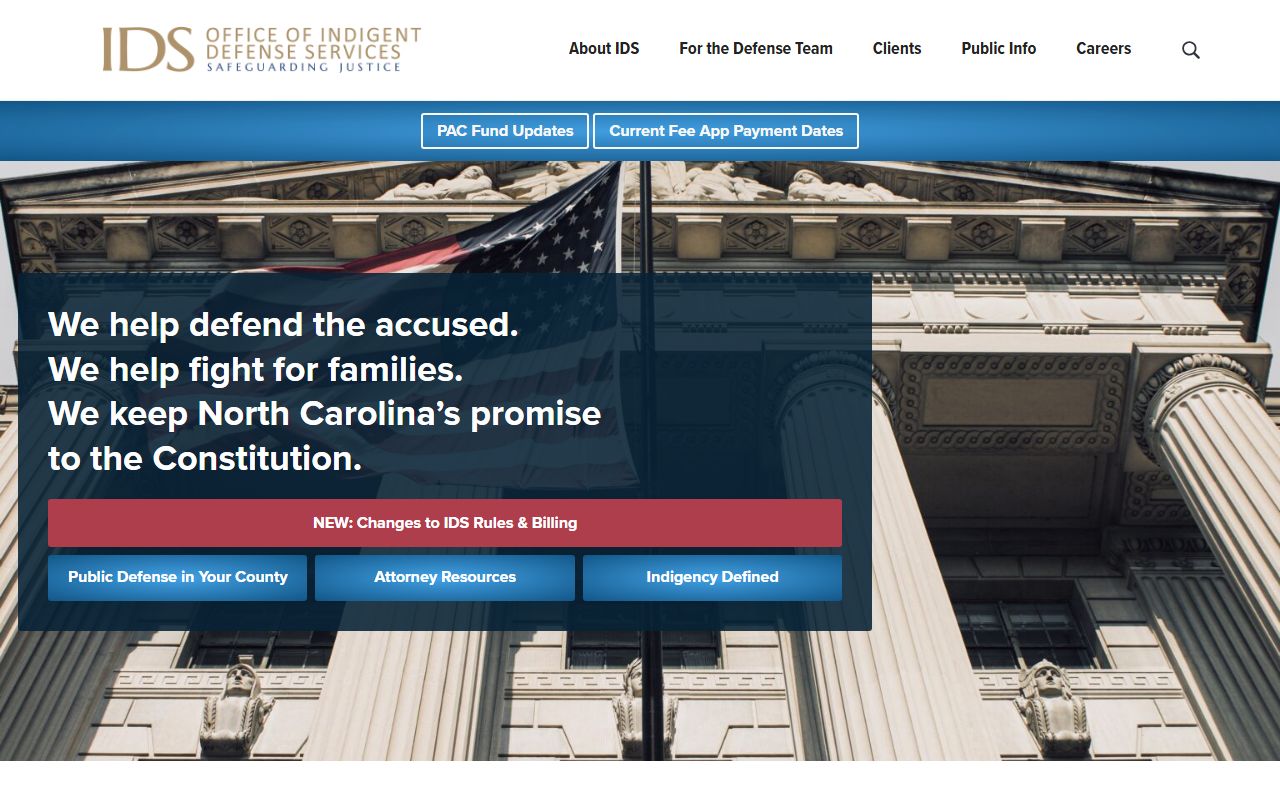
If you face felony charges and cannot pay for a lawyer, the court will appoint one for you. This right applies in every North Carolina county.
Browse North Carolina Felony Records by County
Each county in North Carolina has its own Clerk of Superior Court that keeps felony records. Pick a county below to find local contact details and resources for felony records in that area.
Felony Records in Major North Carolina Cities
Residents of major cities handle felony cases through their county Superior Court. Pick a city below to learn about felony records in that area.